Combating Seasonal Affective Disorder in Seniors
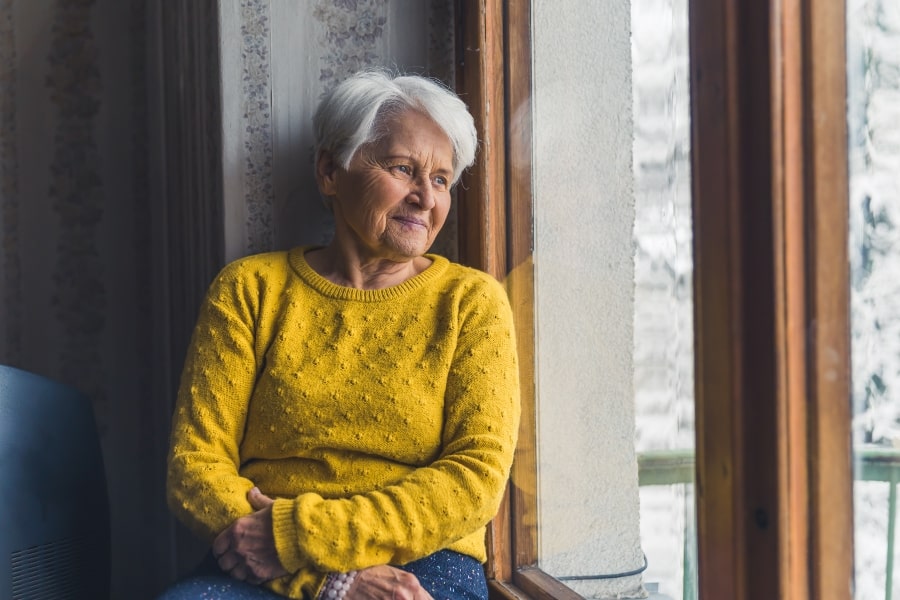
Winters in Minnesota can be harsh for any number of reasons. Bone-chilling temperatures often keep people indoors, and early sunsets both make the days feel shorter and limit the amount of energy we absorb from the sun. As a result, many people experience seasonal depression this time of year. And being cooped up during the winter can be particularly challenging for seniors. Here, we’ll look at some ideas for combating seasonal affective disorder in seniors to help make wintertime more enjoyable.
What is Seasonal Affective Disorder?
Sometimes known as the winter blues, seasonal affective disorder (SAD) is a change in mood that coincides with the changing seasons. Most people begin to feel down as the days get shorter in the fall and winter, though people can experience SAD in the summertime, too.
Research shows that people who experience SAD have lower levels of serotonin, the brain’s mood regulating chemical. Because vitamin D helps regulate serotonin, it’s no wonder that limited access to sunlight in the winter—and therefore limited availability of vitamin D—compounds the effects of SAD.
According to the National Institute of Mental Health, SAD is more common in women. And it’s more often experienced by those living in the northern part of the world, due to fewer daylight hours in the winter. Many people with SAD experience low energy levels or increased fatigue, have feelings of sadness or worthlessness, lose interest in once-favorite activities, and may have trouble sleeping or oversleeping.
Seniors are highly susceptible to seasonal depression for several reasons. They may have limited mobility or access to transportation, keeping them at home and isolated from family or friends. The fear of slipping and falling on ice or snow is a big concern for older adults, as it can lead to broken bones and other serious injuries. And fewer sunlight hours contribute to lower levels of vitamin D and serotonin which, as stated above, make the effects of SAD feel even heavier.
Tips to Combat SAD
Treatments for seasonal affective disorder often range from therapy and light therapy to vitamin D supplements, prescription medication, and more. We have some ideas for seniors within our Southview communities to boost mood and energy levels, helping to combat the effects of SAD.
Physical activity. Staying physically active with regular exercise is proven to increase energy and release mood-boosting endorphins. During winter months, some residents will walk up and down the hallways for exercise or participate in one of our low-impact fitness classes that include gentle yoga, chair exercises, and stretching.
Healthy eating. A balanced diet helps the body feel better in so many ways. Diets rich in fruits and vegetables, lean proteins, and whole grains provide a variety of vitamins and nutrients for healthy bones and muscles, better sleep, and more energy. Our on-site chefs prepare fresh, healthy meals for residents each day, which helps nourish their bodies and minds all year round.
Sunlight exposure. The apartment options within our Southview communities offer plenty of natural light for enjoying the sun’s warmth and energy even in the winter months. In addition, our spacious lobbies and dining halls also have large windows that let in an abundance of sunshine that is easily accessible to all residents.
Social engagement. Our healthy calendar of events and activities provides plenty of opportunities for residents to socialize with neighbors and make new friends. Group activities and social interaction help ward off feelings of loneliness and isolation that many seniors experience, especially during the winter months.
Throughout each of our Southview Senior Communities, we also provide transportation services for those who need to run errands or attend appointments. And many of our residents sign up for community outings, during which large groups venture out for a day of fun at a restaurant, live performance, or other activity. With transportation provided by our communities, residents can get out and have fun without worrying about finding a ride or driving in the snow.
Active Communities Where Seniors Thrive
The Southview Senior Communities provide countless ways for residents to stay active and engaged, helping to combat seasonal affective disorder in seniors, especially during the winter months. If you’d like to find out more about the offerings and amenities in any of our communities, schedule a tour. We’d be happy to show you or your loved one around and welcome you home.